
Afterlife of an Image
Multi-media artist, Ivy Vo, on the beauty of misinterpretation
For Ivy Vo, London-based Vietnamese artist, the most exciting process of image-making lies when it is no longer stable, but in continuous transformation.
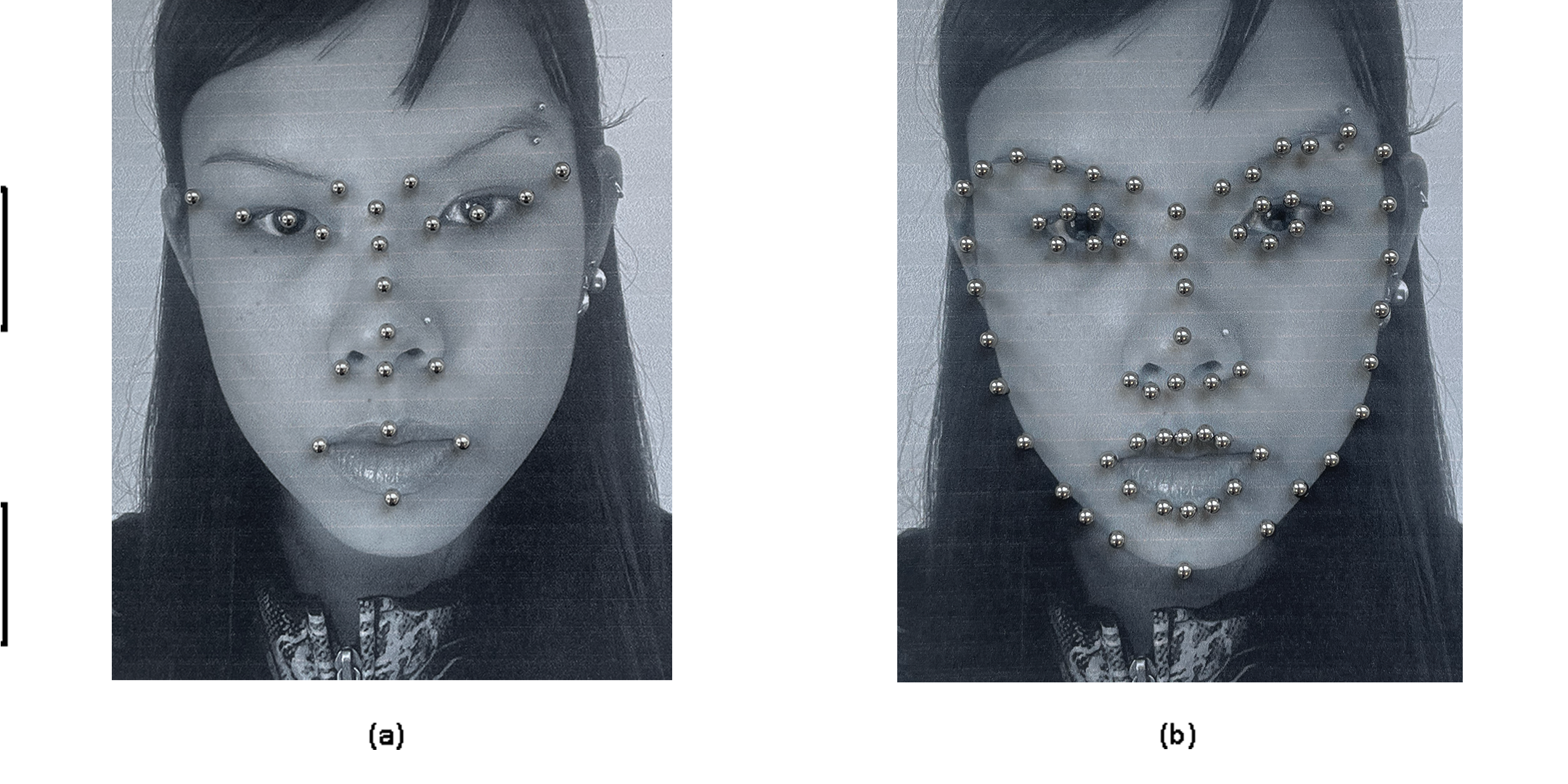
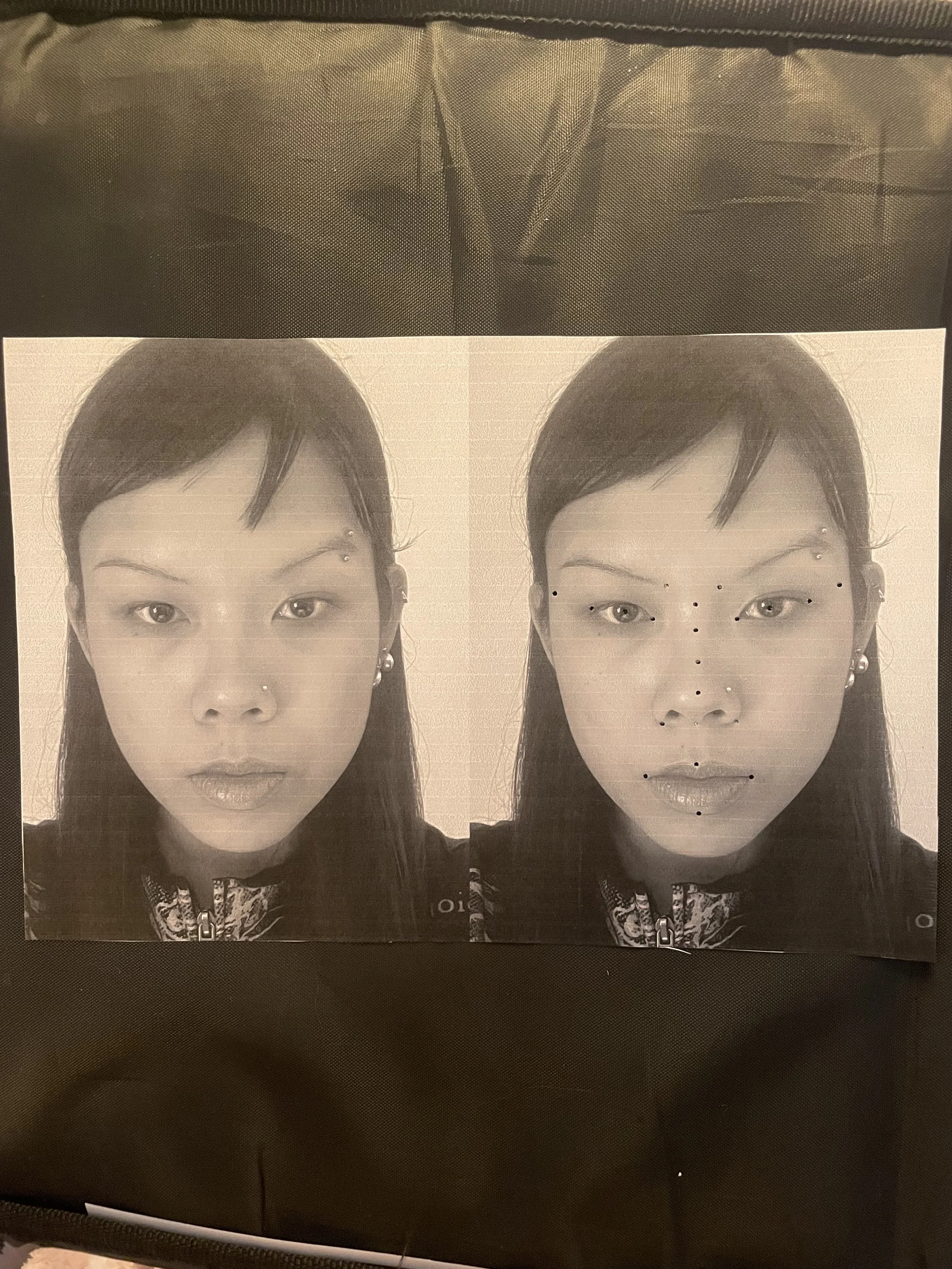
Piercing for Recognition
Ivy traces how images are altered by cycles of circulation through graphic design, printmaking, installation and video. Material translation is central to her practice as she moves images across materials to pull them out of the digital screen into something more tangible;something that can be touched, experienced, altered or worn.
Across all of Vo’s works there is a pervading sense of the uncanny, as the familiar is made unfamiliar, adding a mysterious quality to her work. It is in this fragmented state, whereby the image becomes layered and multifaceted, prompting viewers to interrogate the piece of art even further.
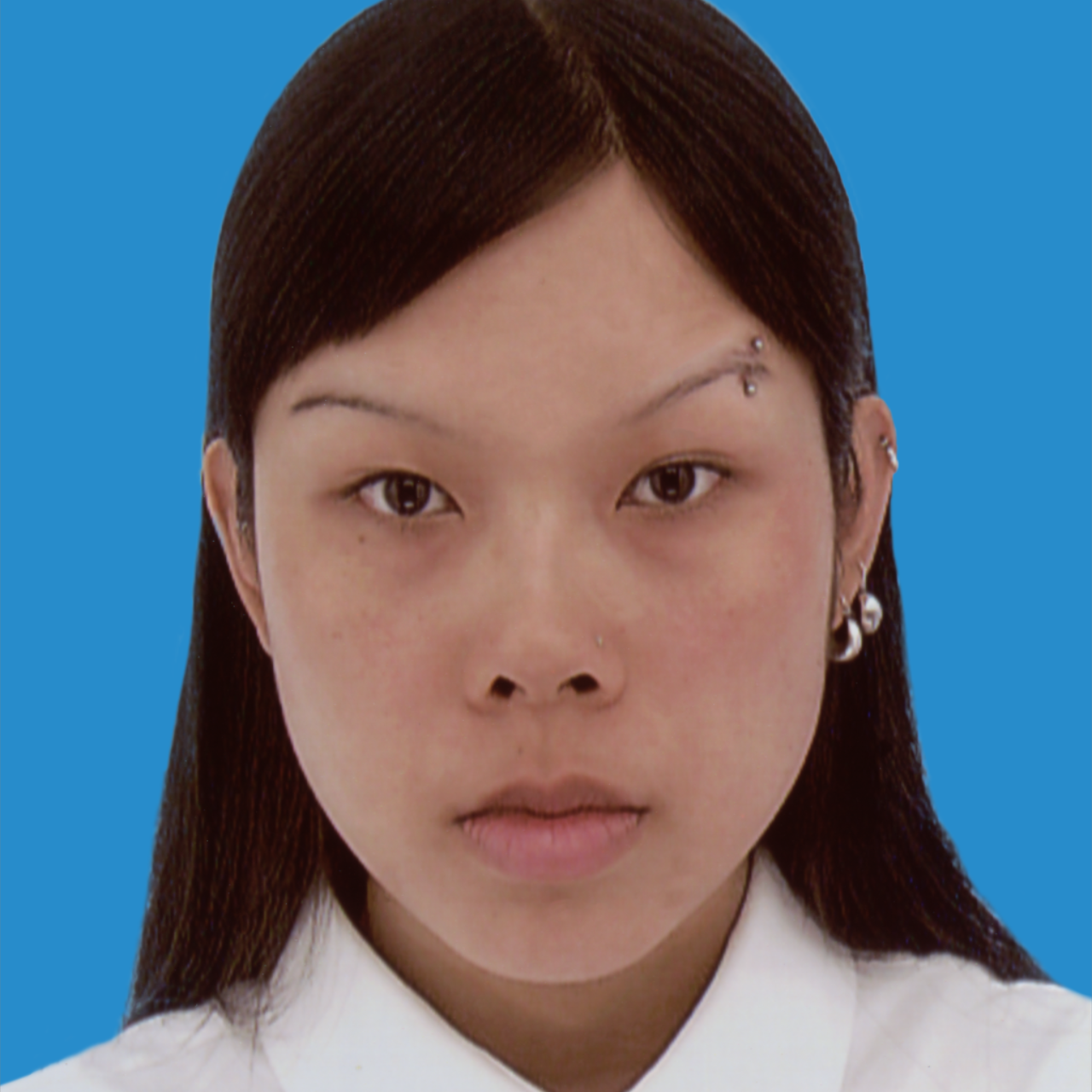
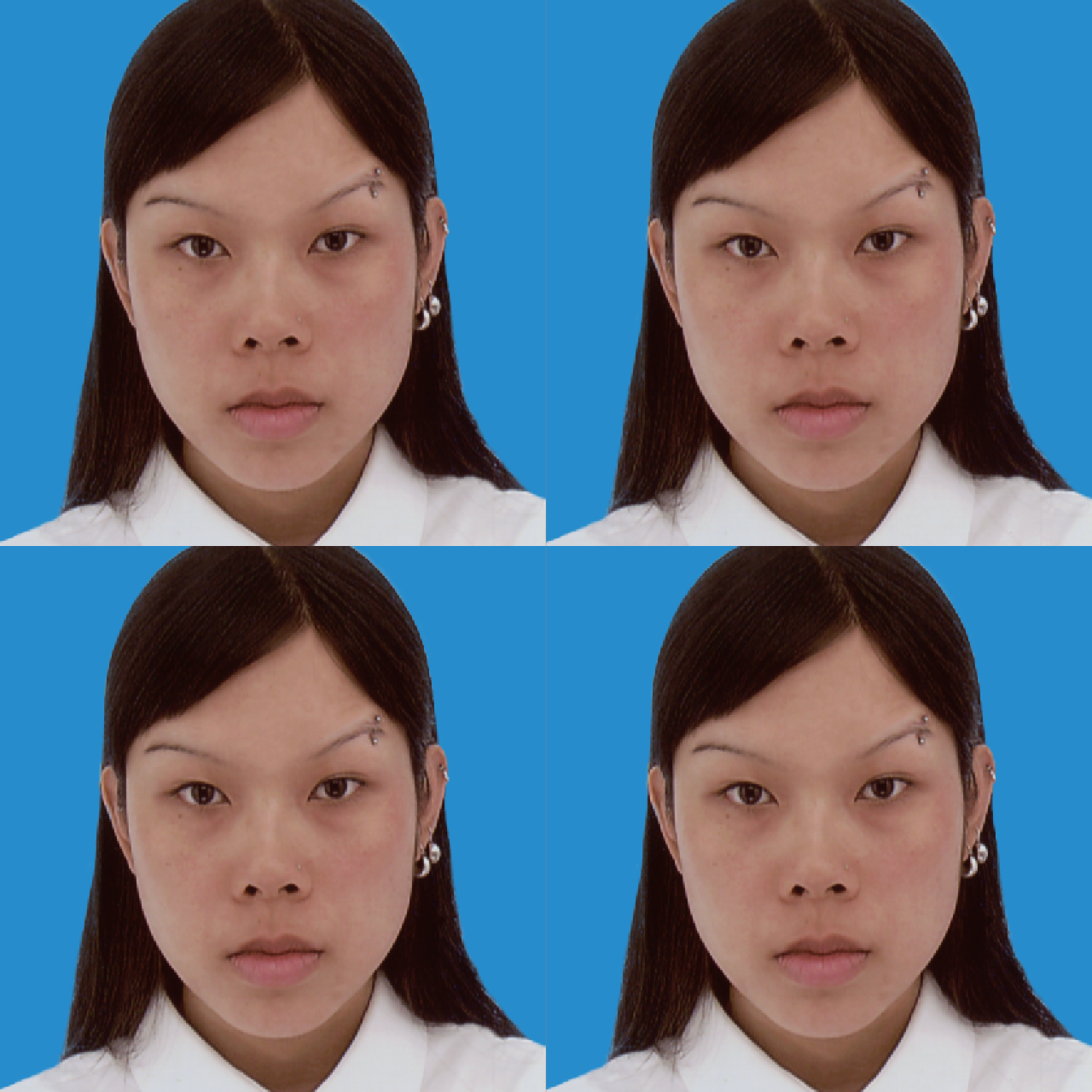
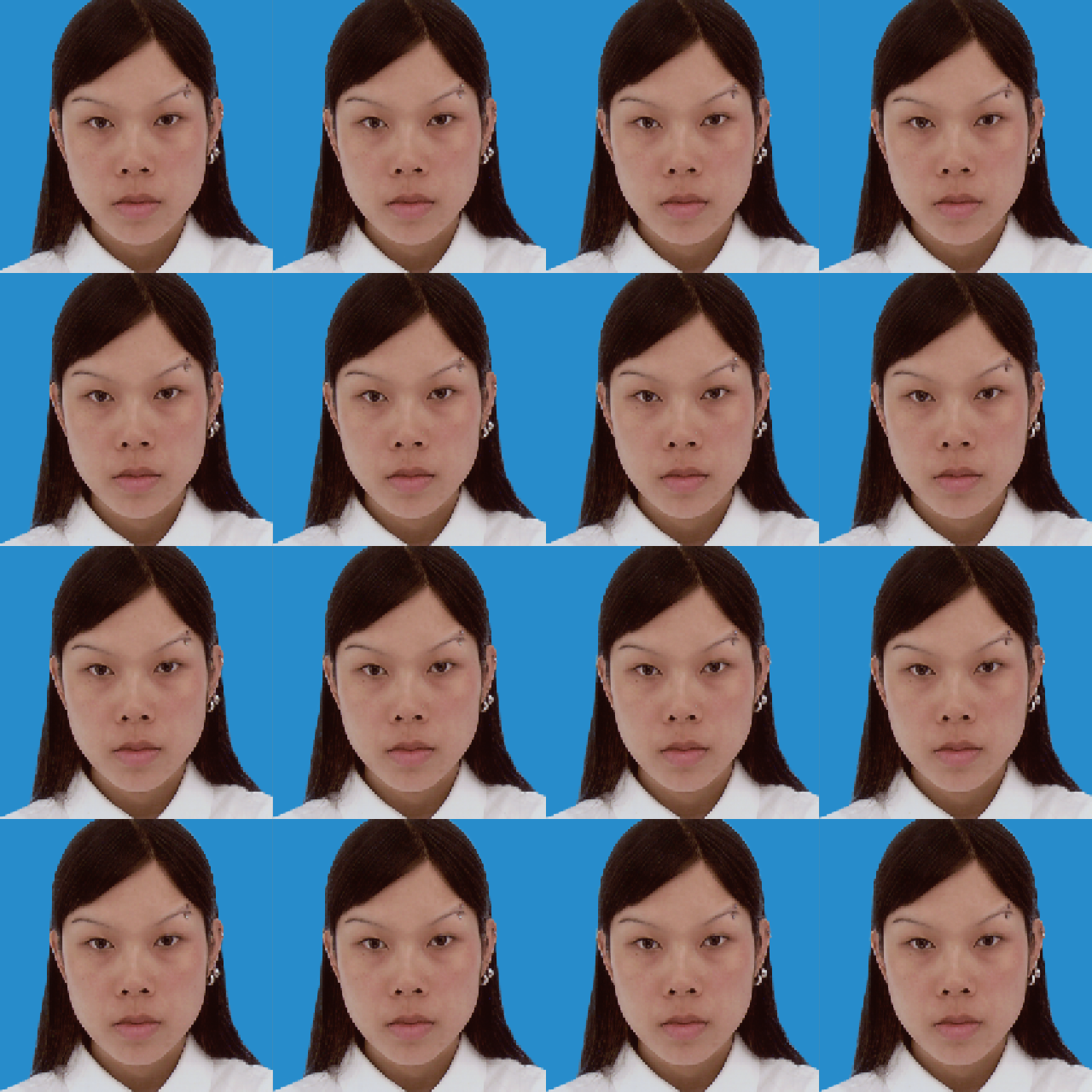
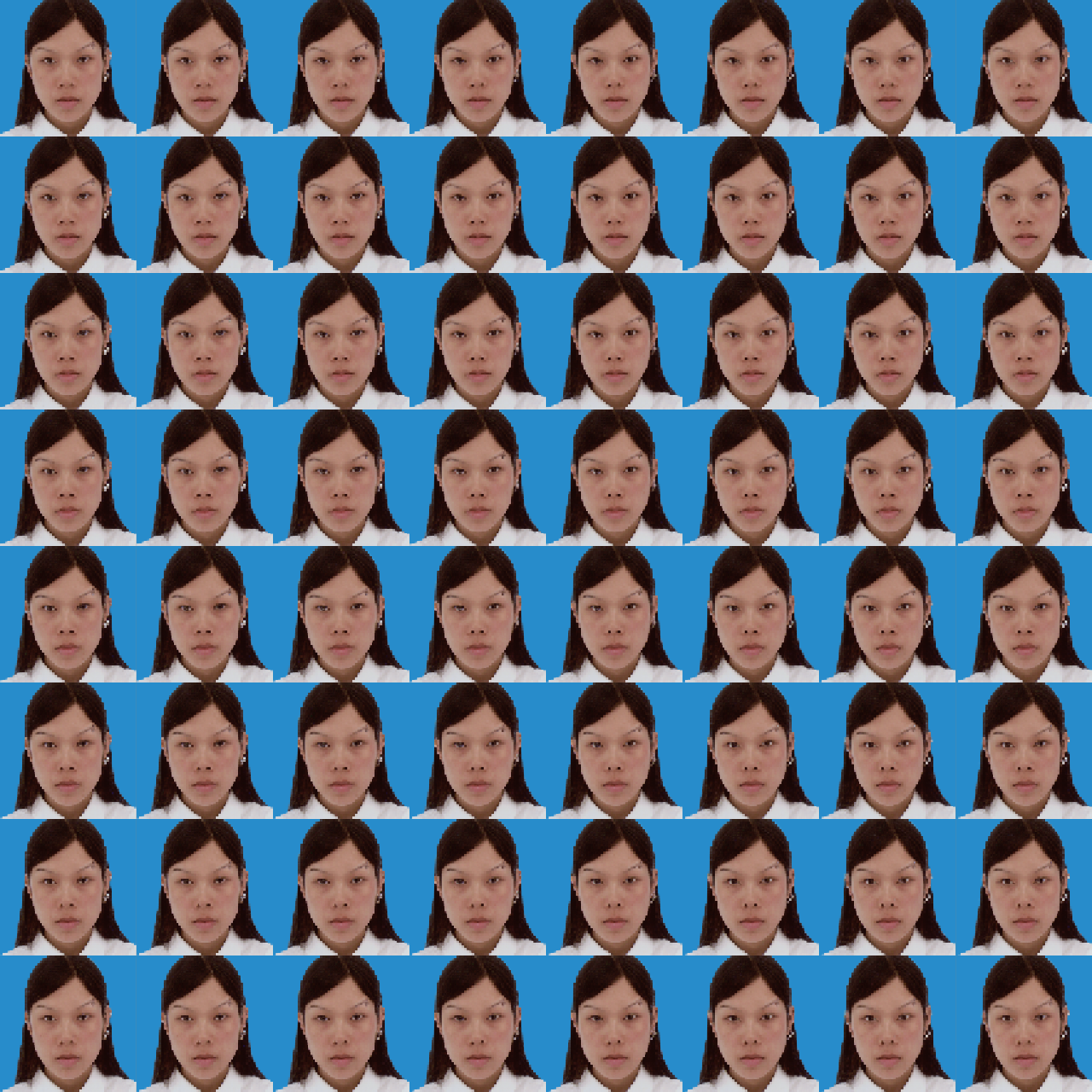
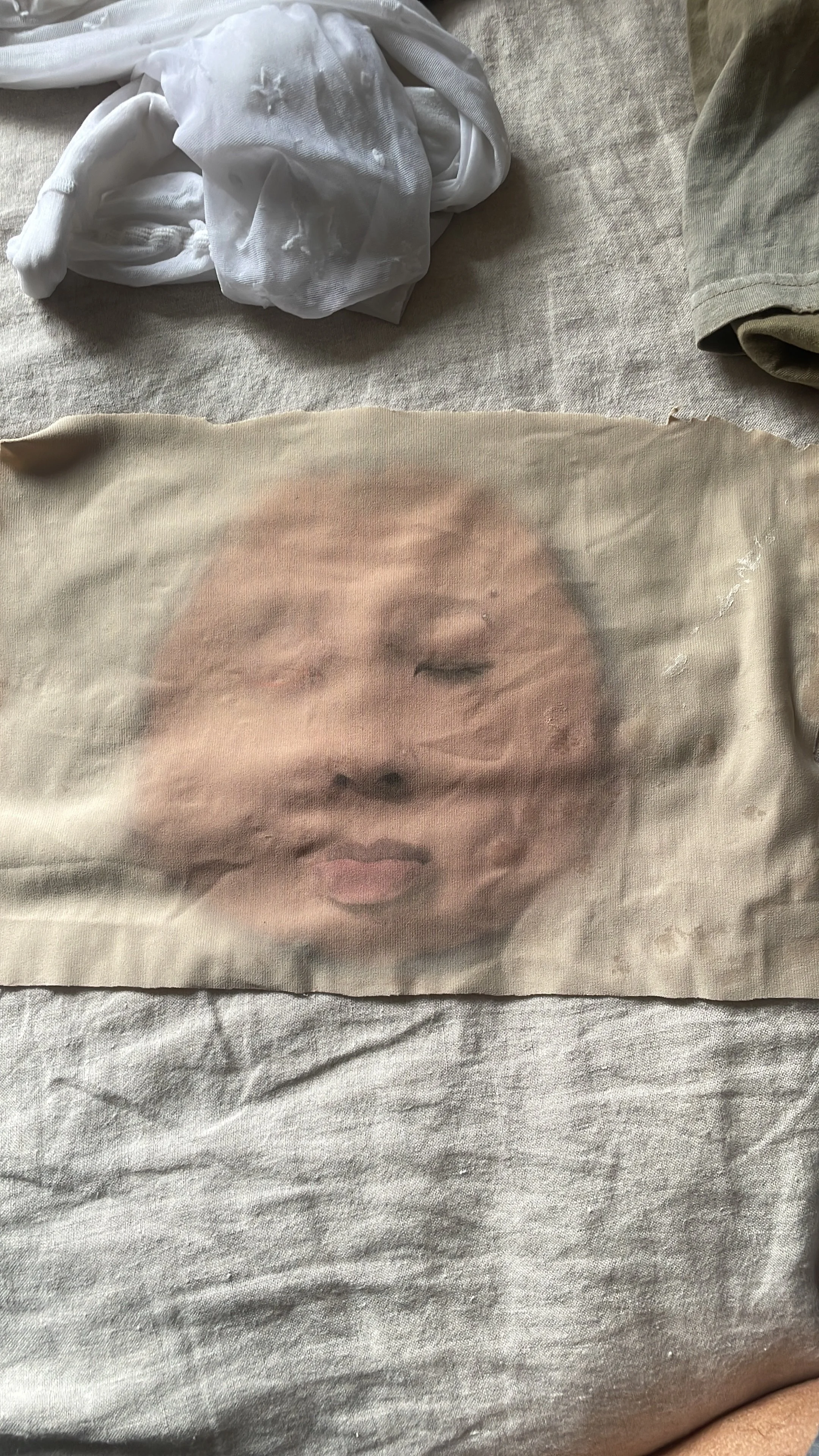
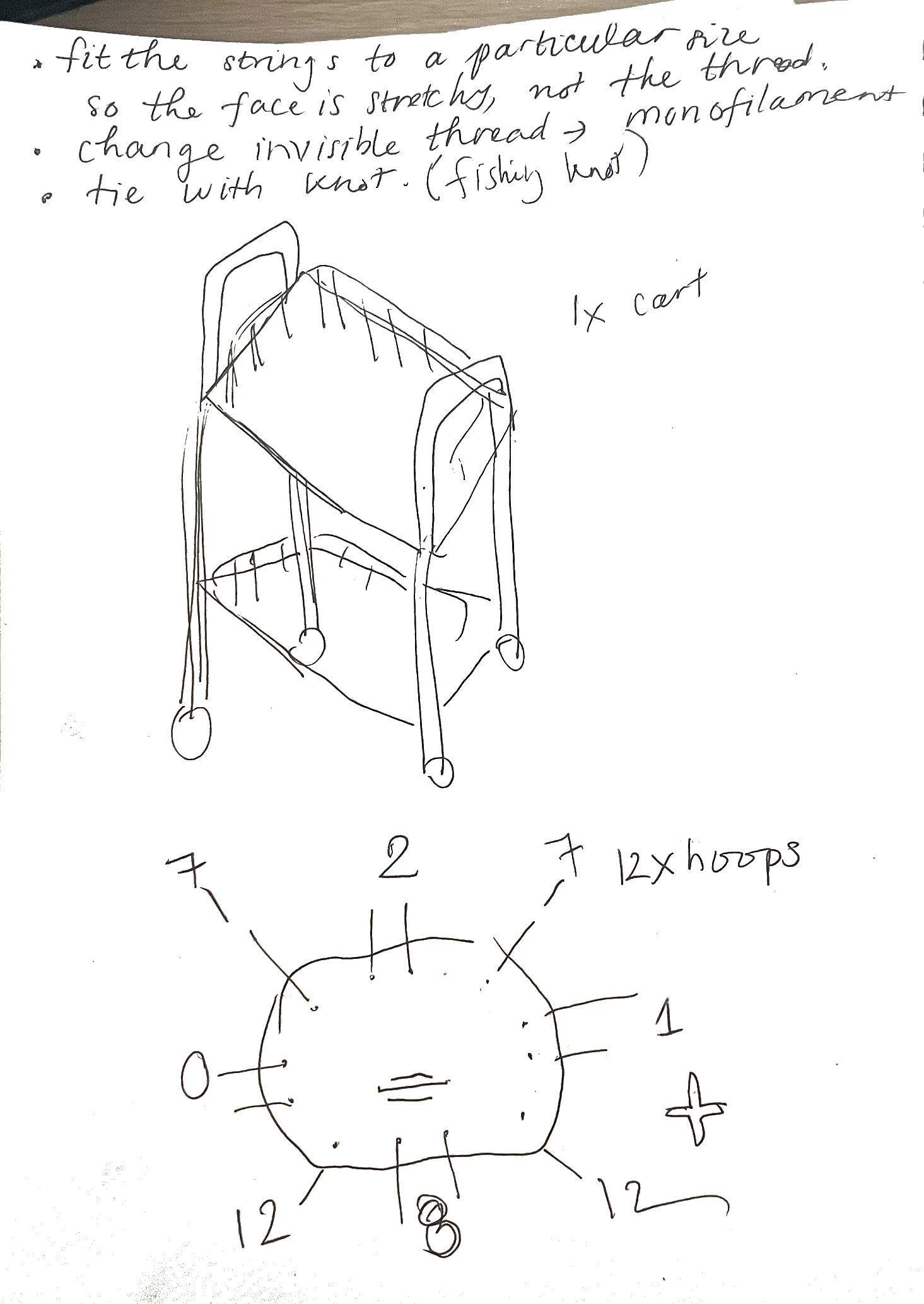
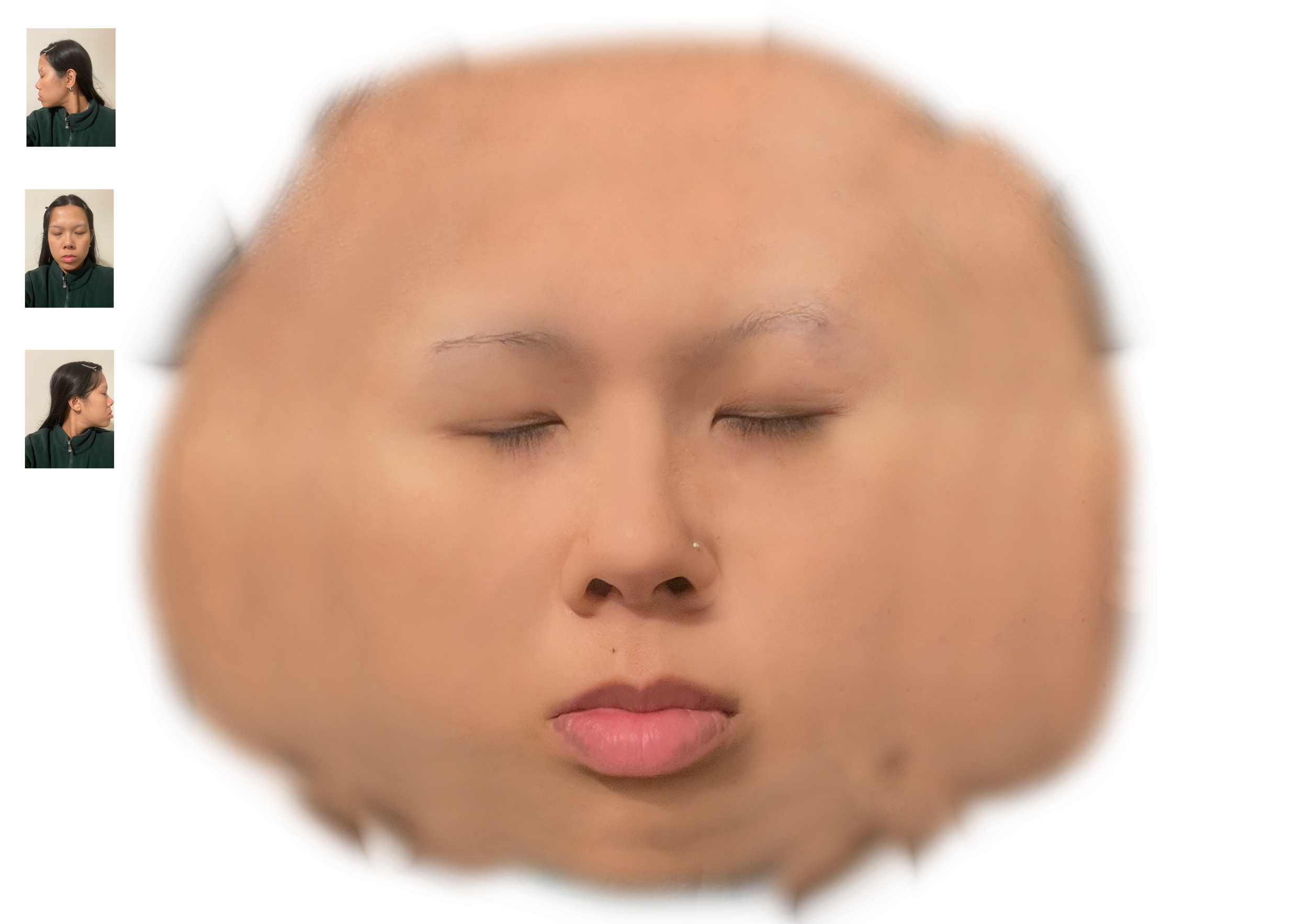
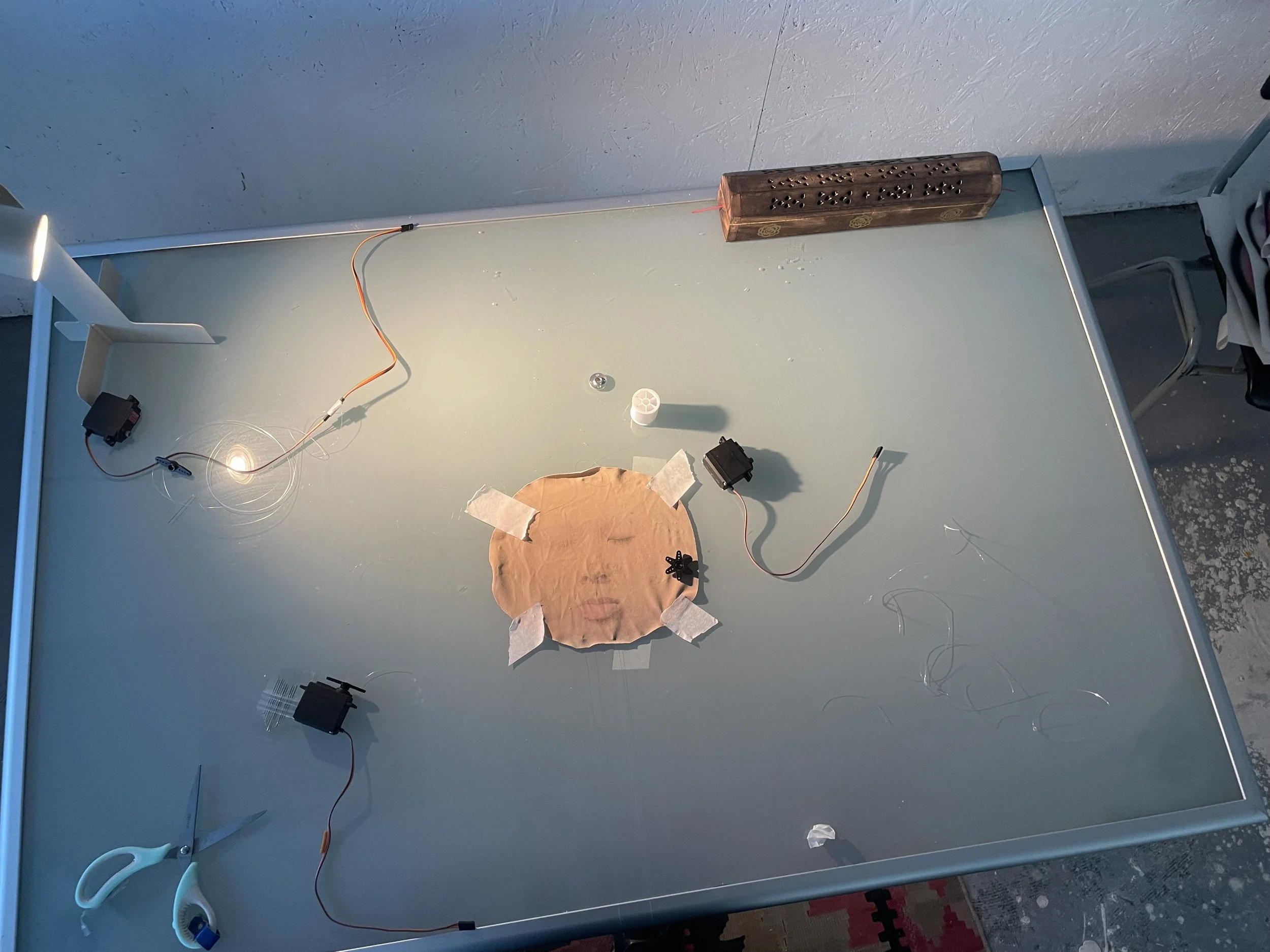
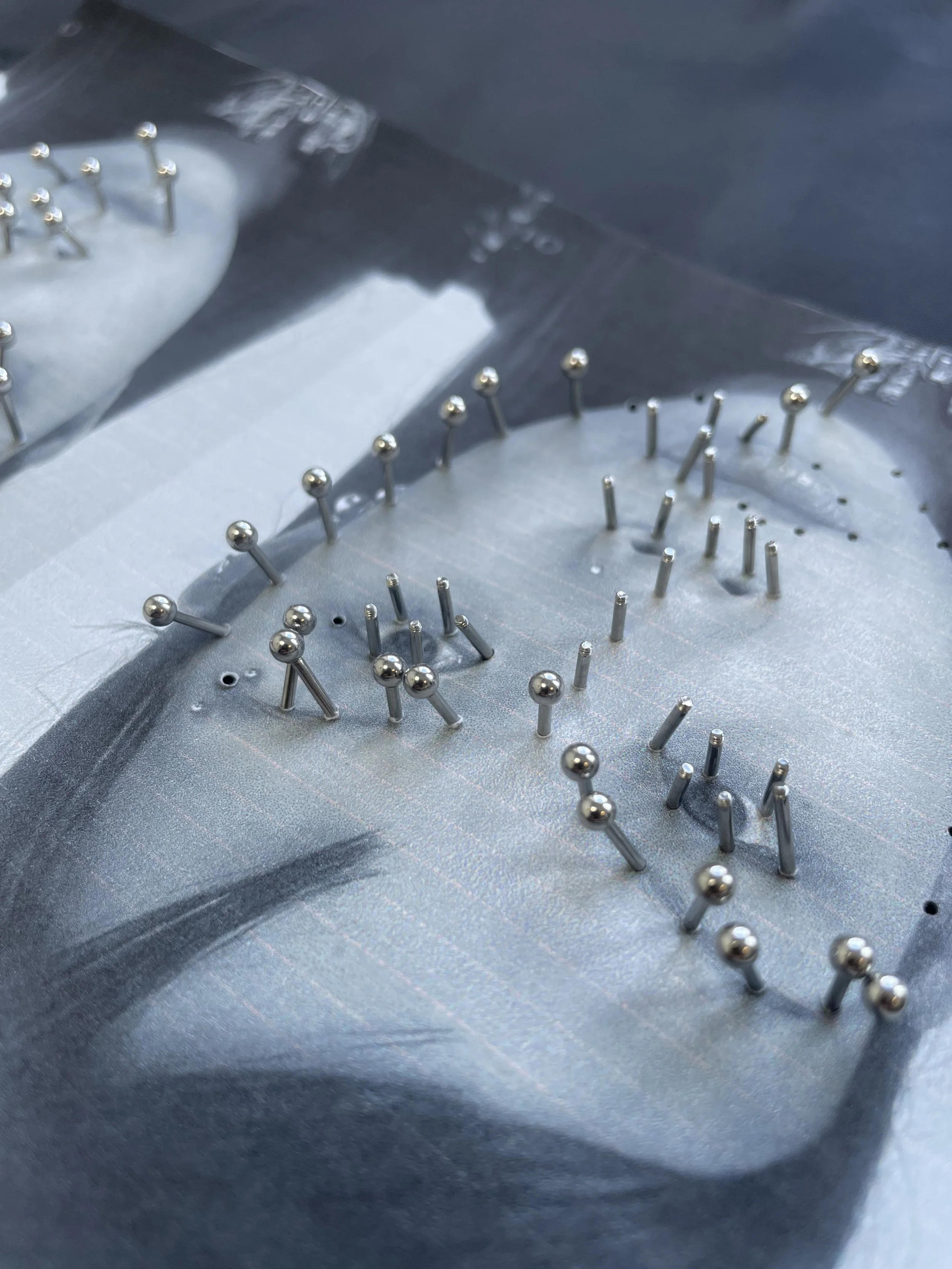
Face Lift, a machine-like sculpture with Ivy’s printed face stretched across it, which moves when approached by an individual. Below the table holding her stretched face, beads and bells are attached to the servos, these collide with each movement to produce a soft meditative chime. At first glance, the sculpture appears mechanical, yet on closer inspection a human face emerges that breathes in rhythm to a person’s presence. The sculpture exists as both person and machine, playing with the idea of personal identity and performance.
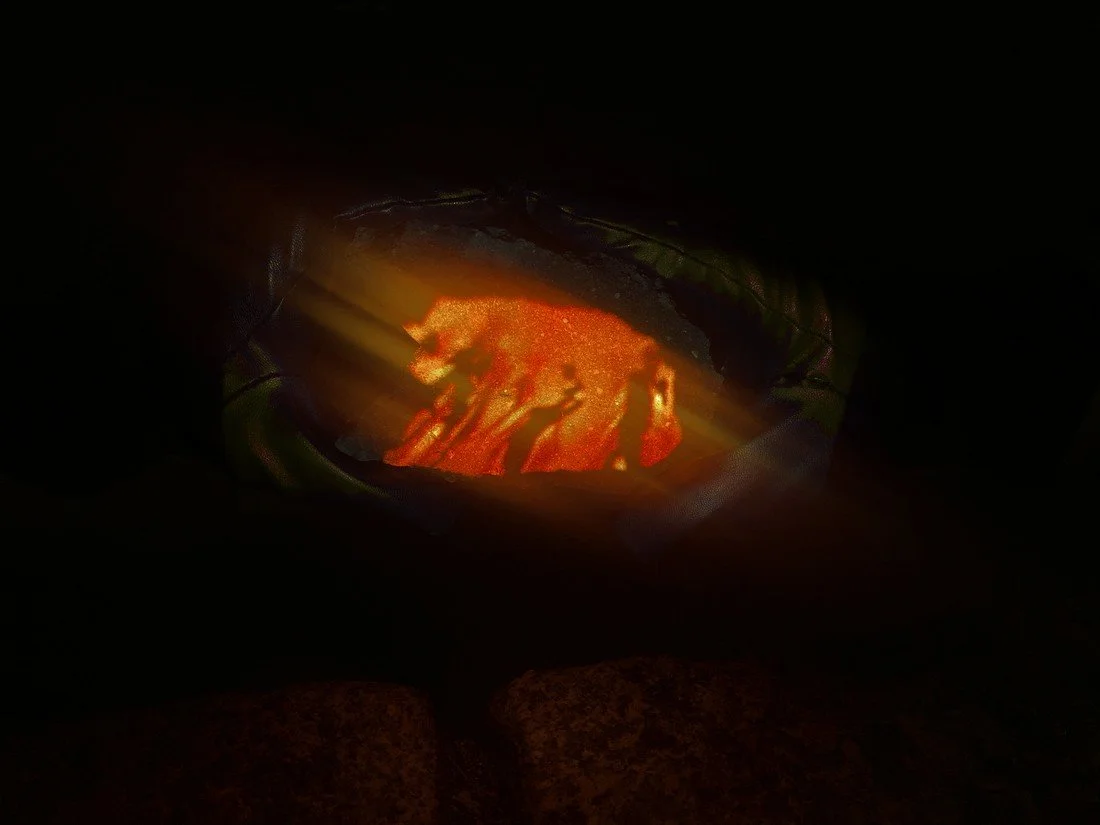
In her work G9, Vo takes viewers on a nocturnal journey into the subconscious. Both a film and a dream helmet, when worn, takes viewers into the world of a Vietnamese roadman biker. Using glitchy, fragmented visuals, G9 exposes how desire is constantly undermined by internalised social norms, even in our most private, unconscious moments.
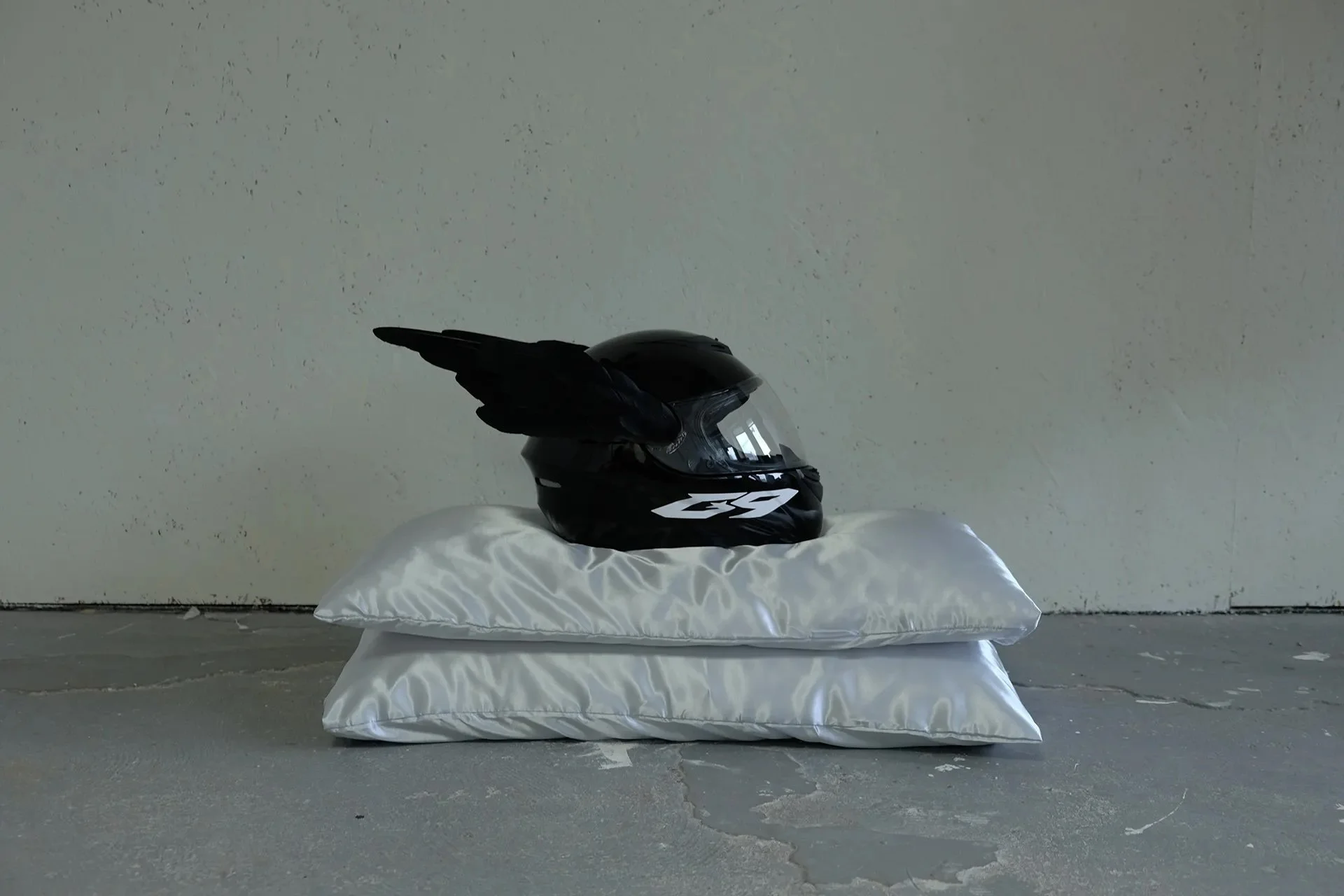
G9

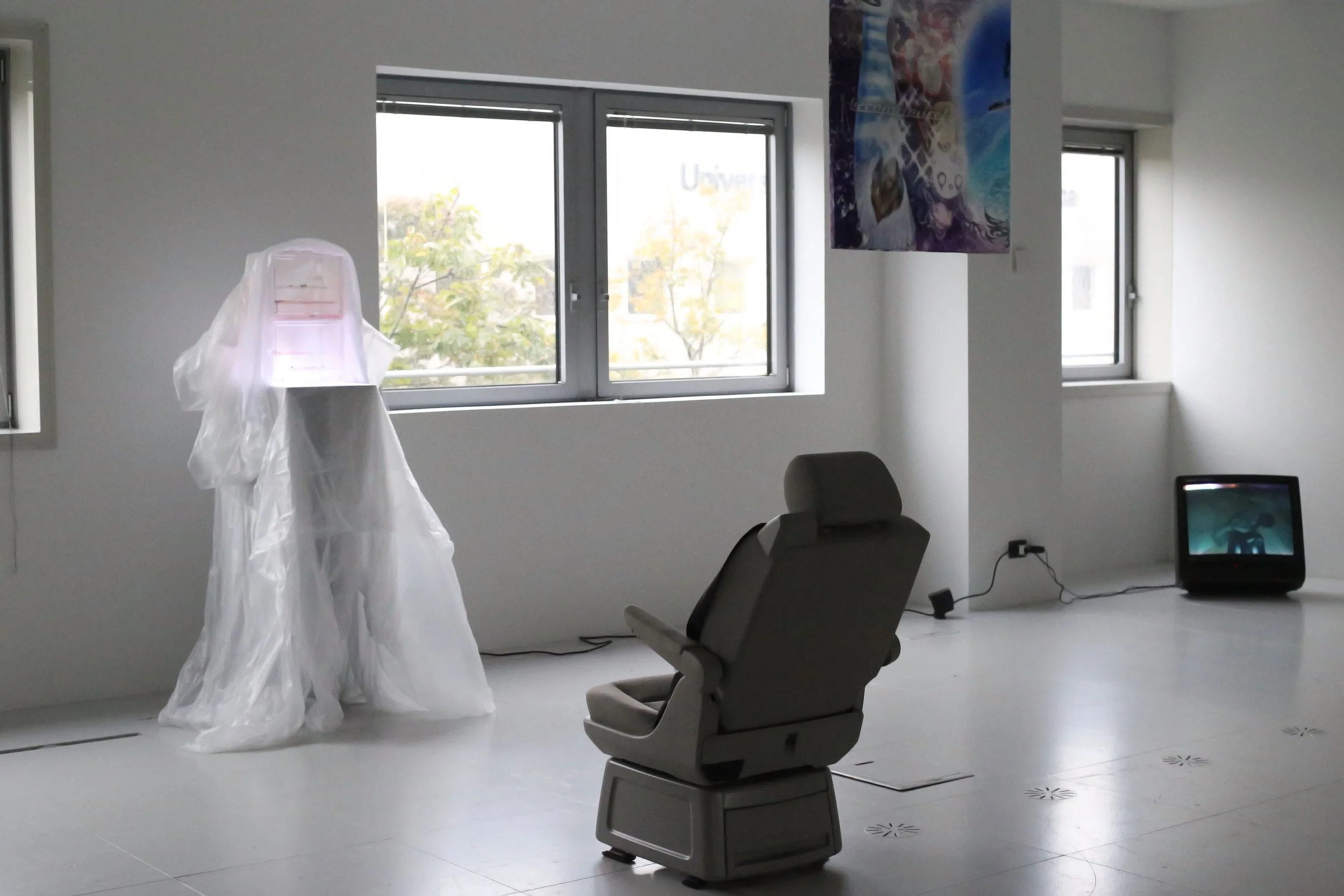
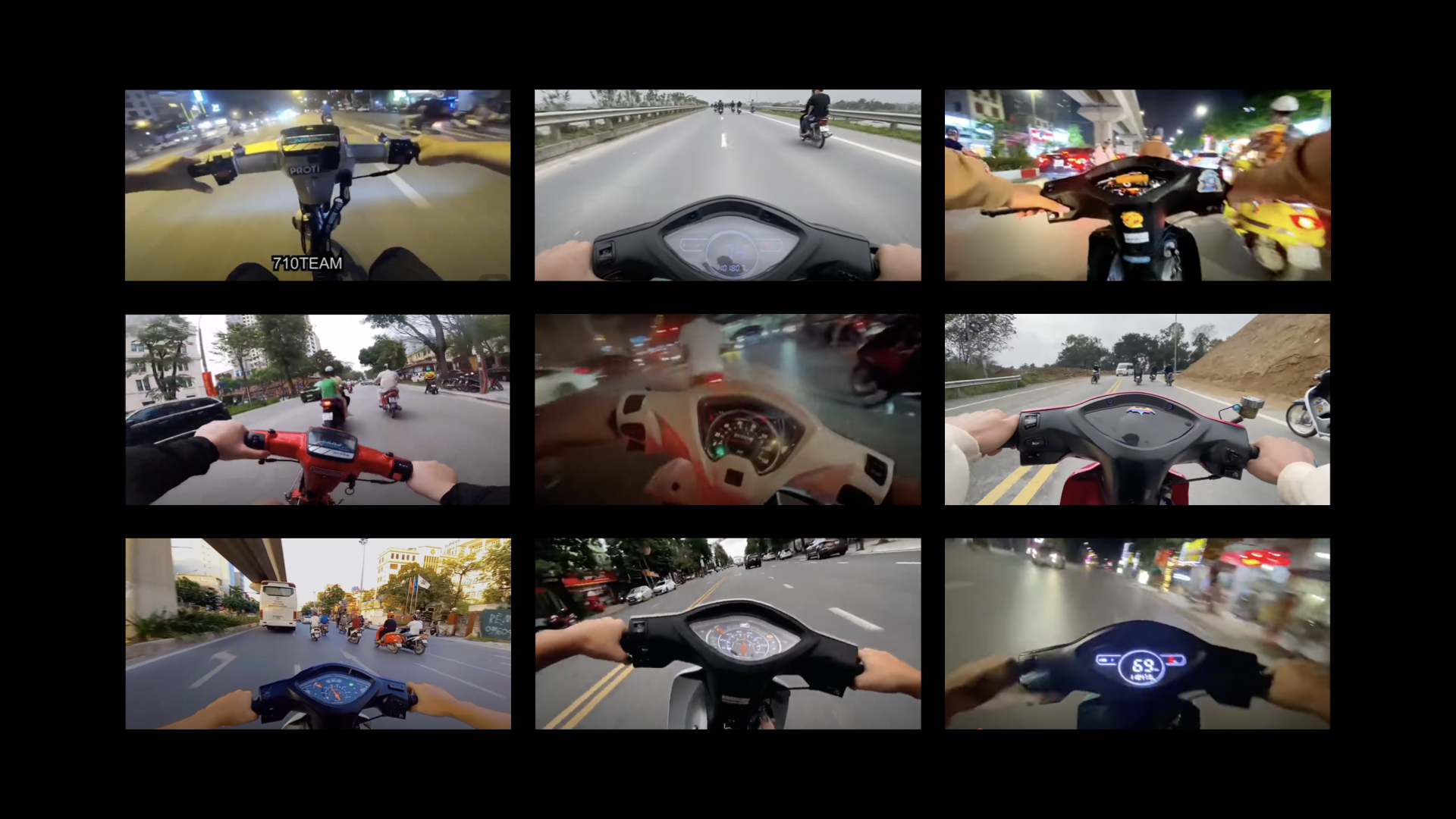
Ivy’s work resists a single obvious interpretation. Working with processes that extract, repeat, and transfer, moving from facial recognition and digital mapping to duplication, scaling, and material translation - she explores how an image can acquire new meaning through transformation.
We sat down with Ivy to discuss how she approaches her practice in bringing an image into the afterlife…
As your upbringing moved between two very different cities, Saigon and London. How have you found that navigating multiple cultural contexts shaped your understanding of translation as well as misinterpretation in your work?
I grew up in Saigon and moved to the UK when I was 19. It felt like growing up all over again. You have to relearn everything, not just the language, but how to exist in a new place. That experience made me very aware of how much meaning depends on where you are, who you're speaking to, even what language you're thinking in at that moment. There are things I can't carry cleanly from Vietnamese into English, and the same goes the other way - certain English ideas that feel so unnatural when you try to put them into Vietnamese. Something always shifts. Because of that, to me, translation is never a perfect thing, it’s always a bit off. There’s always a gap, something missing, or something added unintentionally. That gap is where I get interested. It’s where things start to slip, repeat, or break down.
A lot of my work lives in that space of almost understanding. Not fully lost, but not fully in either. Misinterpretation isn't something I'm trying to correct, it's more like a condition I've learned to work within, and eventually, to work from.
Your works move across different materials and systems — do you begin with a specific idea, or does experimentation with a medium lead you toward the concept?
Always an idea first! Then I experiment with different mediums and materials towards the concept.
4044
At what point in the transformation process does an image become most interesting to you?
For me it will probably be printing images out on an inkjet printer. All the glossy, glowy of an image on the screen starts to reduce on a piece of paper. It already loses something, but also gains a kind of weight - a physical presence it didn't have before. And honestly, the shitter the print quality the better. There's something that happens in the degradation. We care too much about resolution, about images being clean and complete. Some of the most interesting things happen when they're not. That's why I love printing on an inkjet with just the most normal paper. The best things come out of that!
Then when I transfer that printed image onto a different surface or material, it starts to live differently again. It’s weird, like giving the image a new haircut or something. Same thing, but suddenly it behaves differently. The image stops being a fixed thing and starts responding to its new conditions.
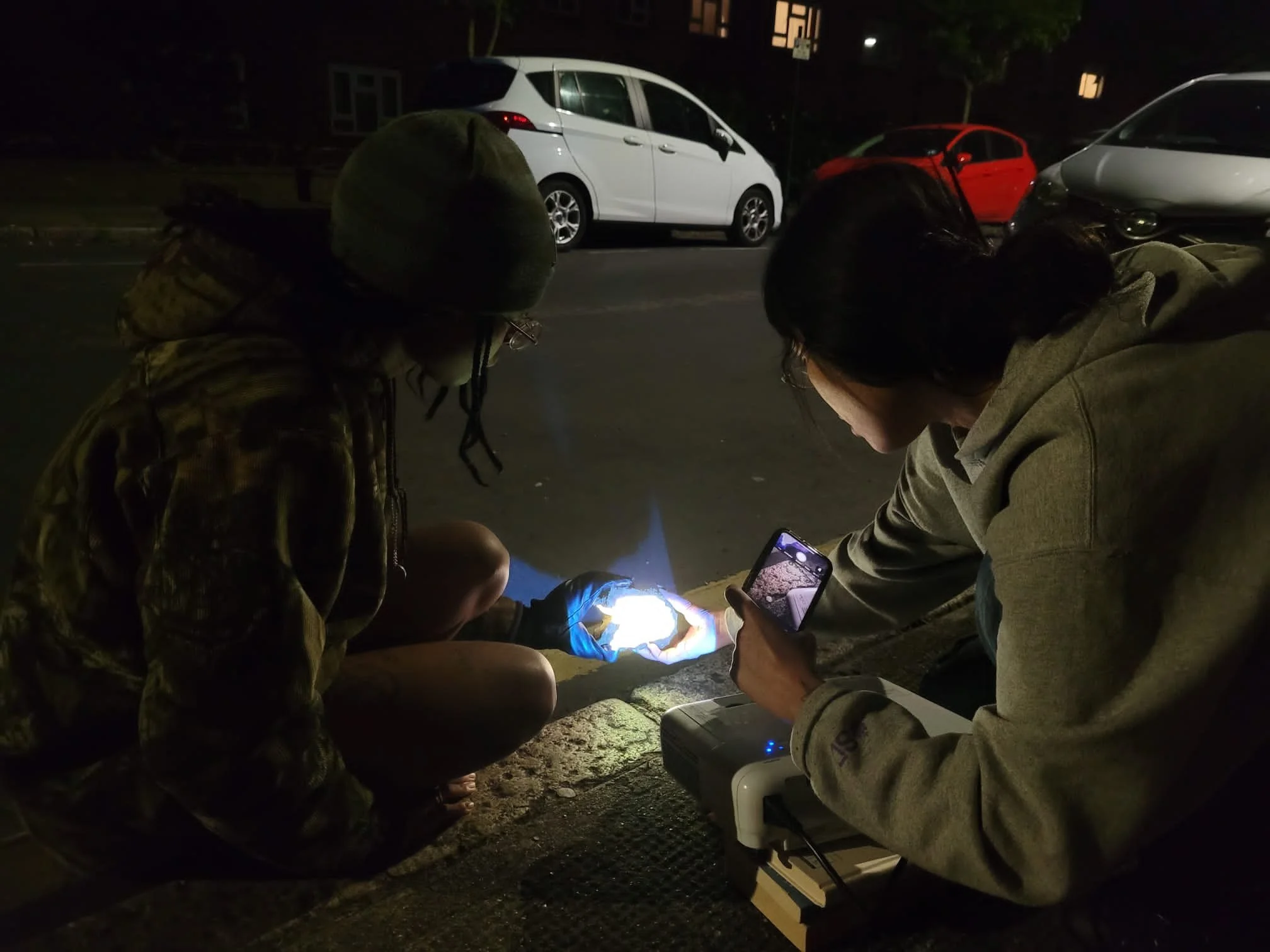
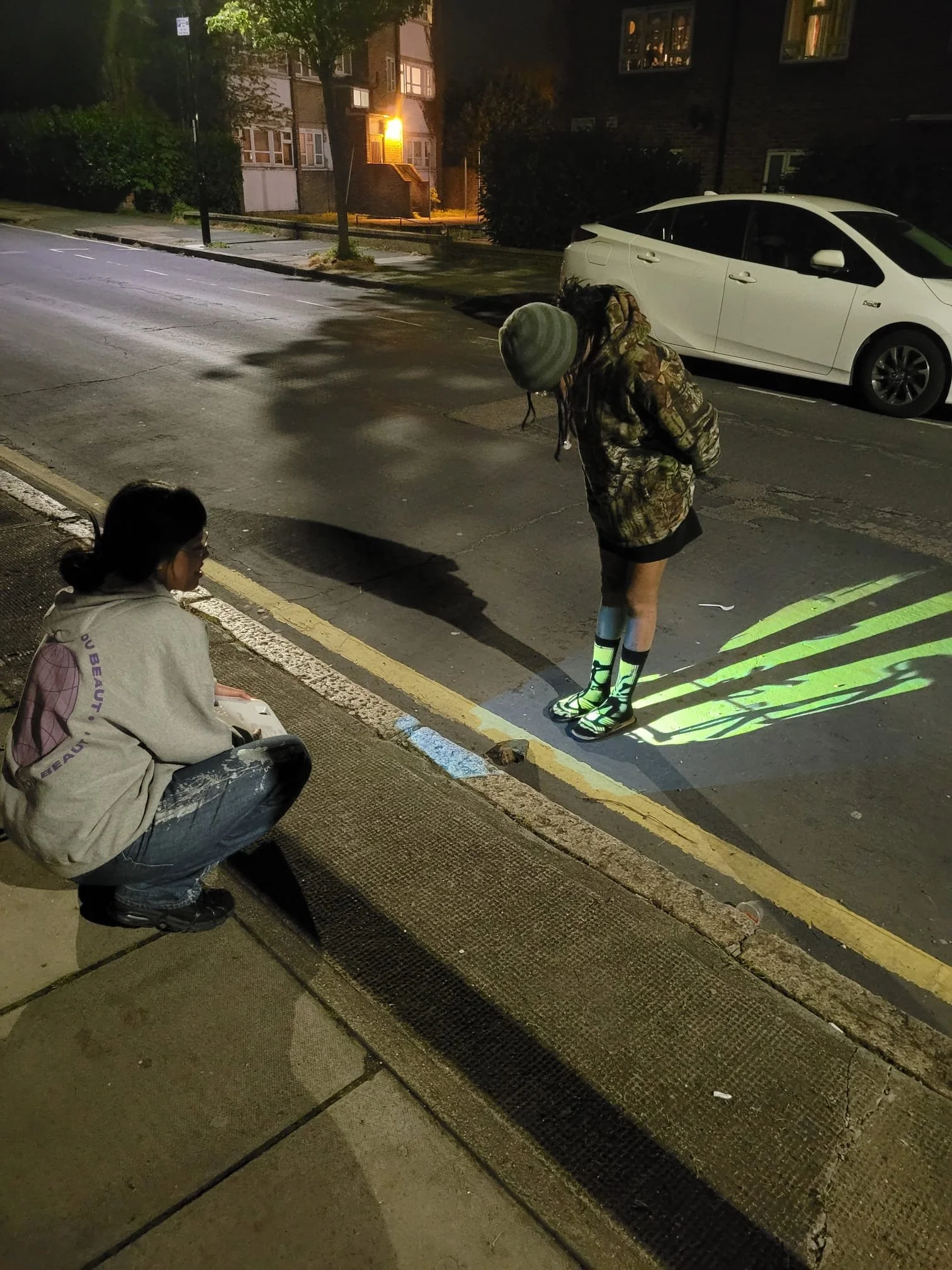
Can you talk us through the bells and screeches used in your piece “Face Lift” - we’re interested in why you chose these sounds and because the bells only create sound when a viewer approaches, the thinking behind using the viewer as a catalyst to the work?
The piece is silent when no one is there. The mask just sits. It's only when someone approaches that a sensor triggers the servos and it starts to move. This breathing motion is a kind of eerie cry for attention. And with that movement, the beads and bells attached to the servos begin to collide and ring. The bells have this soft, meditative quality, almost ritualistic, like something you'd associate with ceremony or contemplation. But underneath that, you can hear the mechanical screech of the servos working. Those two sounds don't resolve into each other. They sit in tension. That unease felt right for a piece about the mask: something we wear for protection and for performance at the same time, that is both necessary and exhausting. I kept thinking about that moment at the end of the day when you finally take it off. There's relief in it, but also something exposed. The piece tries to live in that space - identity as something constantly shifting, always somewhere between concealment and truth.
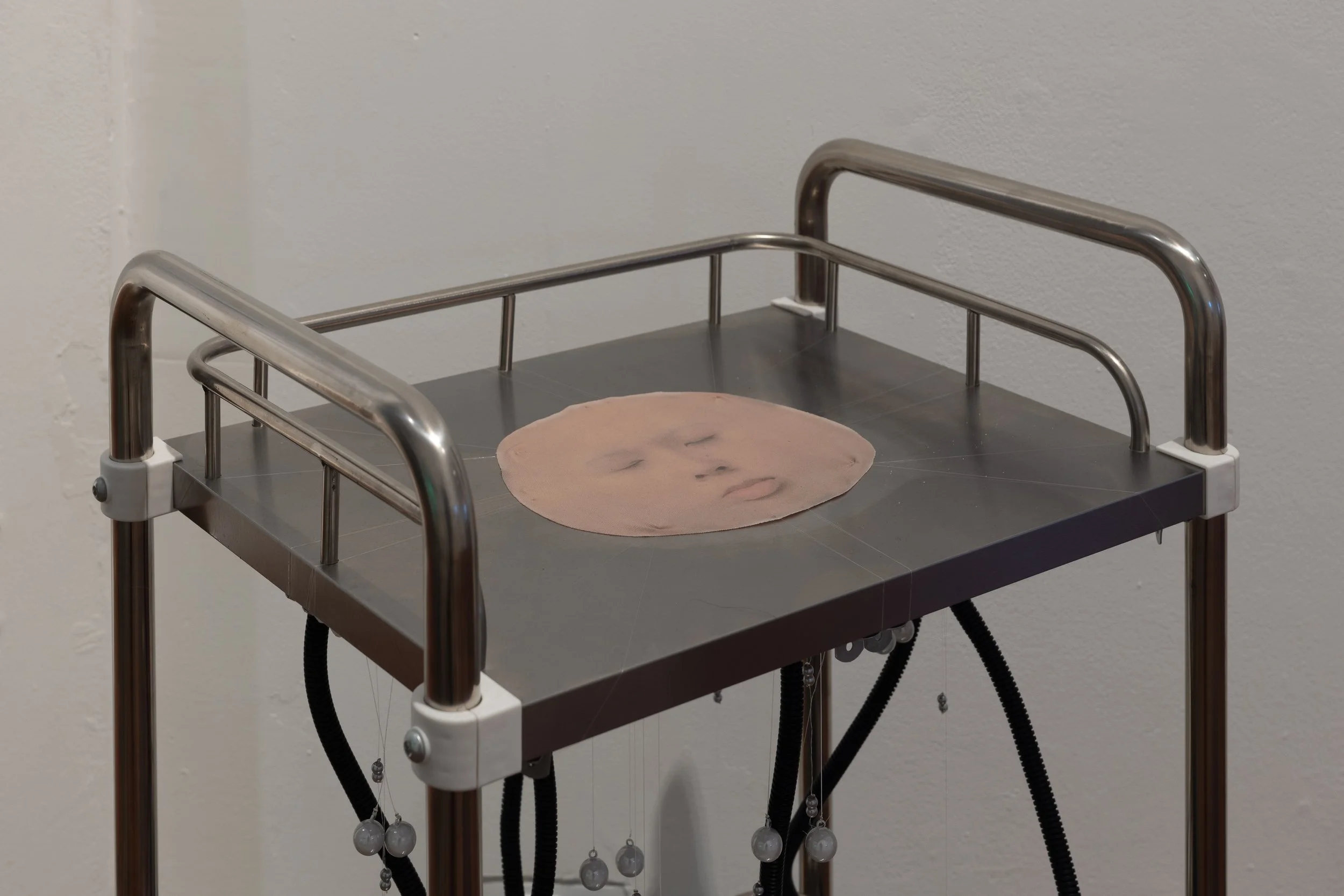
Facelift
Making the viewer the catalyst felt important for that reason. The mask doesn't perform on its own. It needs presence to activate. So you're implicated the moment you get close enough, you're not just watching something, you're the reason it's happening.
Technology has rapidly changed how we understand image— how do you imagine the meaning of an image will continue to shift in the near future?
We're already living inside that shift. AI has made image-making so abundant that we've had to develop a new kind of literacy around it - almost a suspicion. People now ask "is this AI?" as a reflex, and we've started using phrases like "that looks so AI" to describe something that feels slightly off, uncanny without being able to say exactly why. That's new. We didn't have that expression five or six years ago, when AI image making is still janky, blurry and bad.
I think images will start to matter less as representations of something real, and more as gestures: signals of mood, intent, aesthetic position. The question won't be "is this true?" but more "what is this trying to feel like?"
At the same time, I think that will also push in the opposite direction. When generated imagery becomes the norm, there will be a stronger hunger for images that are visibly, stubbornly real: documentary work, photojournalism, images that carry proof of presence. The real and the constructed will start to define each other more sharply. You'll need one to understand the other.
For my own practice, that actually makes the physical and the handmade feel more charged. When everything can be generated, the things that carry evidence of a process: friction, transfer, material resistance, they become proof of presence. And I think that proof will matter more, not less.
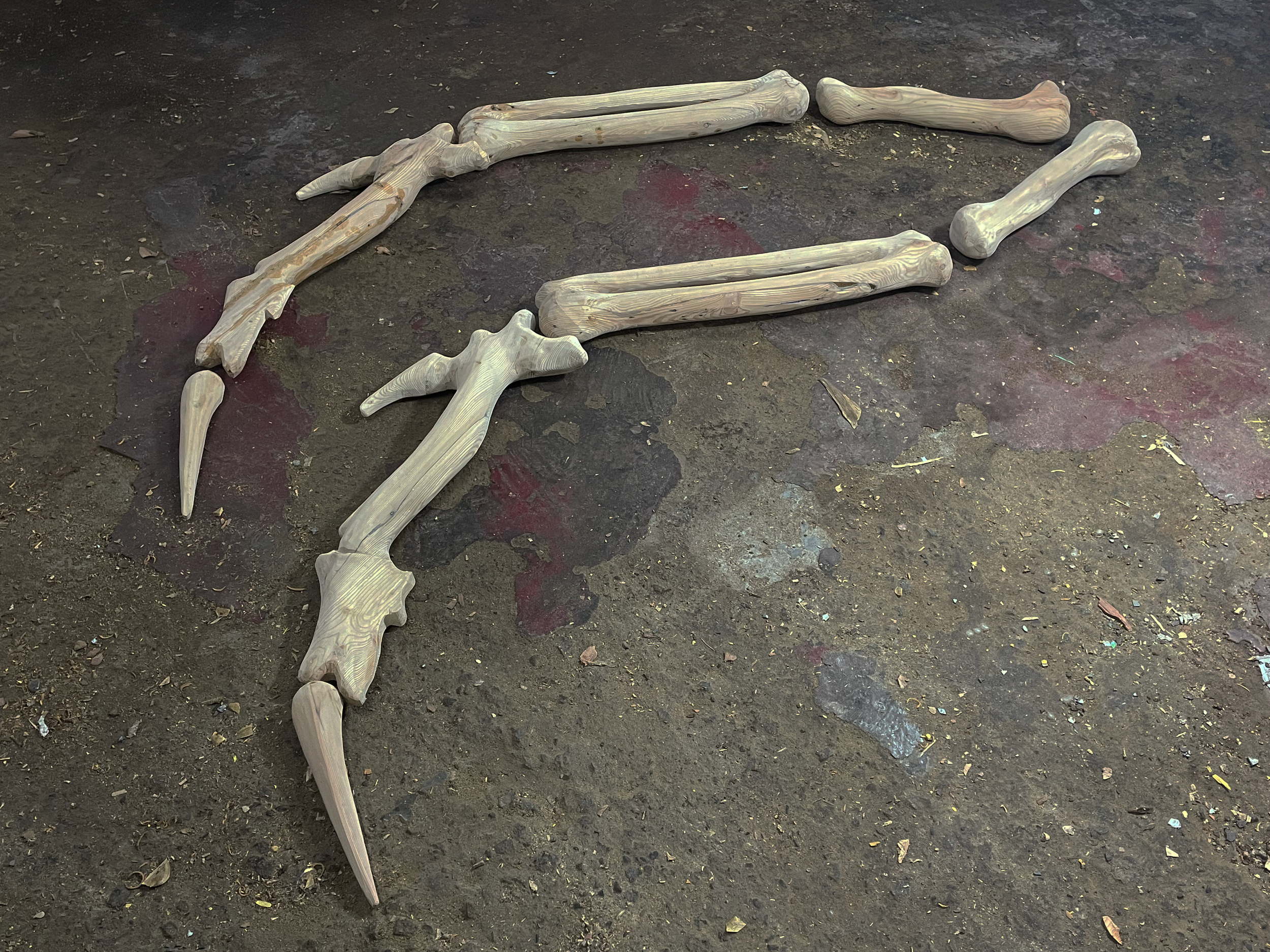
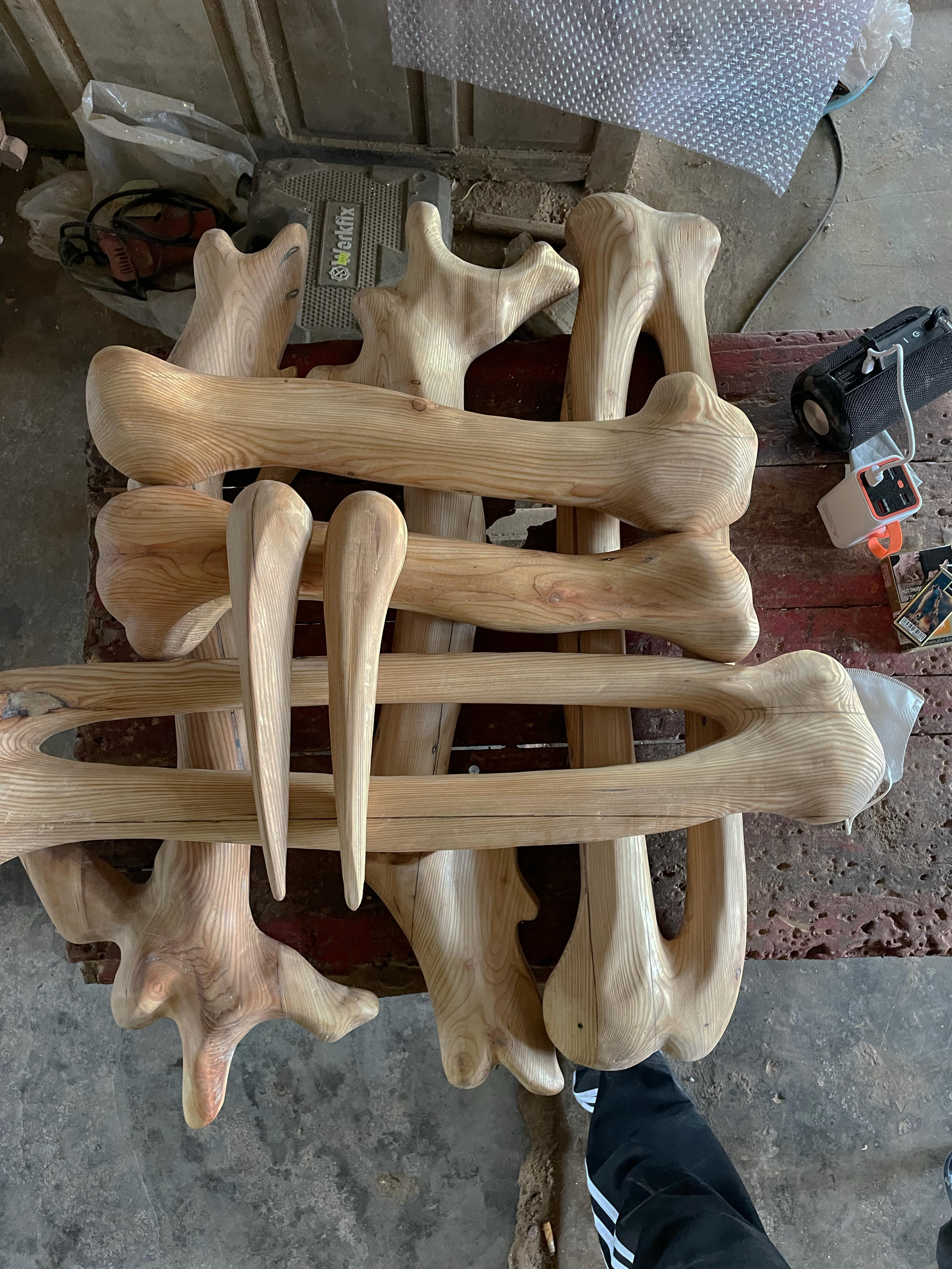
Ivy Vo is an artist working across printmaking, video, installation, and graphic design. Her practice centers on repetition, pattern recognition, and the instability of meaning, examining how gestures and images transform when pushed through cycles of return. Rooted between Saigon and London, she works from the in-between as a deliberate position: where language, identity, and perception continually shift.
Her work has been exhibited internationally at BiM (Milano), Brasserie Atlas (Brussels), and Bow Arts, Feelium (London). Alongside her solo practice, she is the co-founder of VINAXOA, a contemporary Viet snacks project exploring diasporic identity through food and culture, and a member of BAESIANZ, a UK-based collective centering Asian creative voices.
Words: Isabelle Moulding